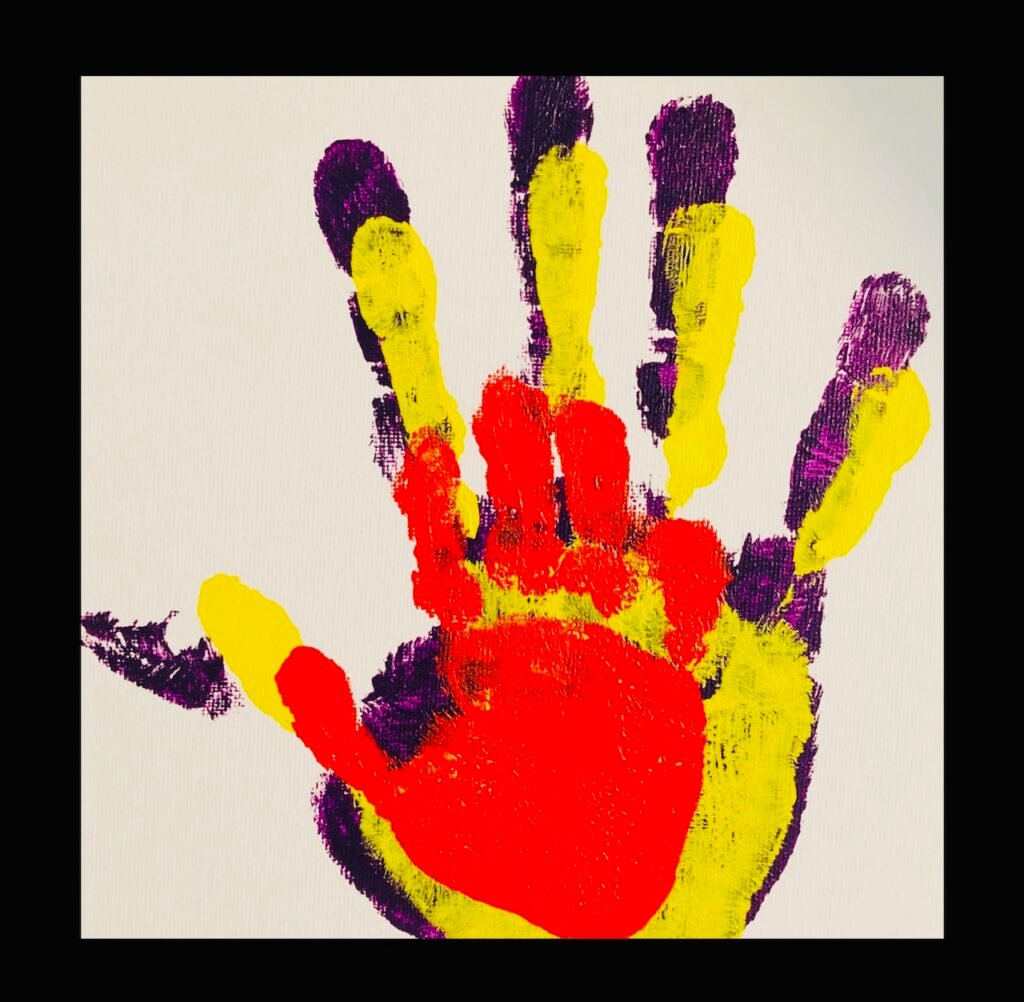
Art is more than decoration—it is a powerful form of emotional expression. One of the most transformative approaches to creative healing is art therapy, where color becomes a language of its own. Understanding how colors communicate emotions can deepen both your artistic practice and your personal growth.
If you’re exploring the healing power of art, learning about color psychology in art therapy is an essential step.
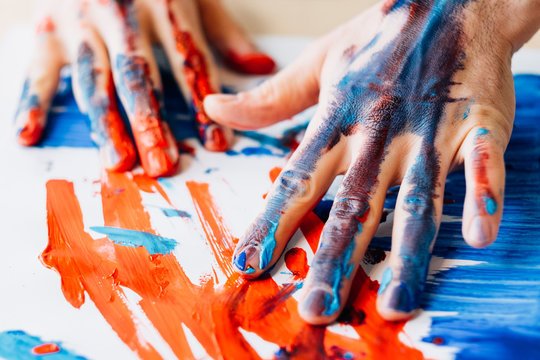
What Is Art Therapy?
Art therapy is a therapeutic practice that uses creative expression—painting, drawing, sculpting, and mixed media—to improve mental and emotional well-being. It combines psychology and visual art to help individuals process feelings that may be difficult to express verbally.
The field was shaped by pioneers like Margaret Naumburg, who viewed art as a pathway to the unconscious mind, and Edith Kramer, who emphasized the healing power of the creative process itself.
Today, art therapy is widely used to support individuals dealing with stress, trauma, anxiety, depression, and personal growth.
Why Color Is Powerful in Art Therapy
Color is one of the most important elements in visual communication. Before we speak, we respond emotionally to color. In art therapy, color becomes a non-verbal tool for:
- Expressing hidden emotions
- Reducing stress and anxiety
- Communicating complex feelings
- Supporting trauma recovery
- Enhancing self-awareness
For artists and collectors at TreAsia.art, understanding the psychology of color can also deepen the meaning behind each artwork.
Color as Non-Verbal Communication
Many emotions are difficult to put into words. Art therapy allows individuals to “speak” through color and composition instead.
For example:
- A canvas filled with muted tones may reflect emotional exhaustion.
- Bright contrasting colors may express inner conflict or transformation.
- Gradual shifts from dark to light hues can symbolize healing or hope.
This visual storytelling is why art therapy is such a powerful mental health tool—and why color awareness enhances artistic impact.
The Science of Color Psychology
Research in psychology suggests that colors can influence mood and even physiological responses. Warm colors like red and orange may increase energy levels, while cool colors like blue and green tend to promote relaxation.
This is why color selection matters not only in therapy, but also in:
- Interior design
- Branding and marketing
- Website aesthetics
- Digital art presentation
For an art platform like TreAsia.art, thoughtful color use strengthens emotional connection and viewer engagement.
Art Therapy for Emotional Wellness
Art therapy is used worldwide to support:
- Anxiety relief
- Depression management
- Trauma recovery
- Stress reduction
- Personal development
By paying attention to color choices in artwork, therapists and artists alike can gain valuable insight into emotional states.
Why This Matters for TreAsia
Art is not just visual—it is emotional communication. Understanding the importance of color in art therapy allows artists to create more intentional work and helps collectors connect more deeply with each piece.
Whether you are creating, viewing, or collecting art, color shapes your experience.
Art therapy shows us that colors are more than aesthetic choices—they are emotional signals. By exploring color psychology and creative expression, we unlock new ways to heal, communicate, and connect.